 Jewelry Identifier
Gold Plated vs Solid Gold: How to Tell What You Have
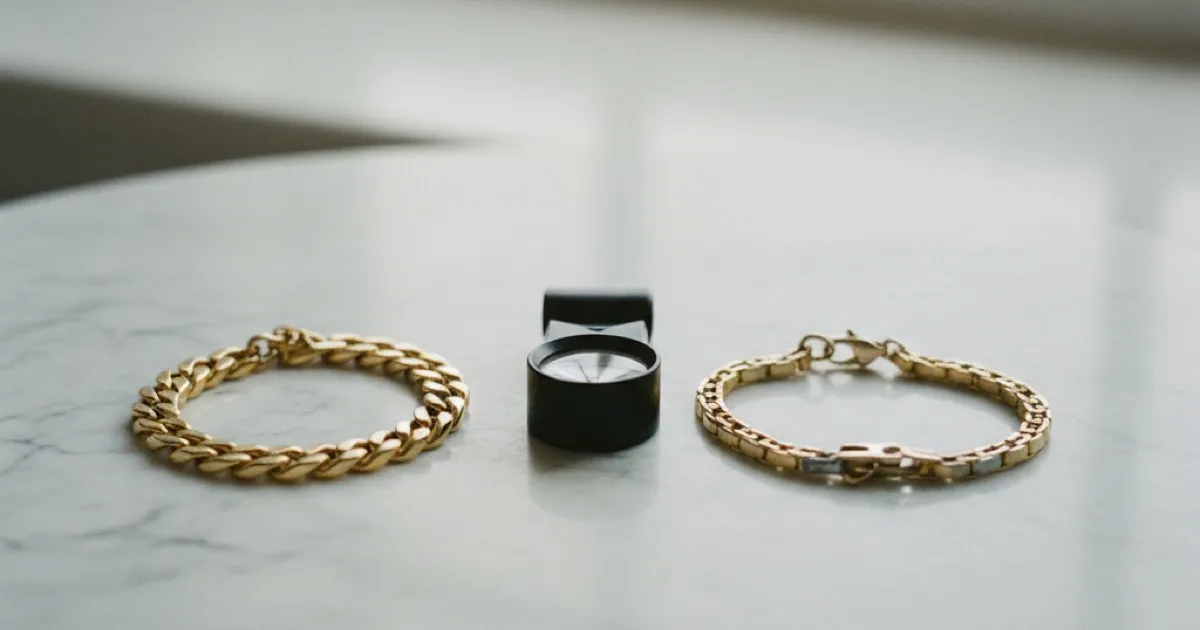
That gold bracelet from your aunt might be 14K solid gold worth $300. Or it might be gold-plated brass worth $5. They look identical to the naked eye. The difference matters when you're selling, insuring, or just deciding whether to toss it in a drawer or a safe.
Here's how to figure out which one you have.
Gold Plated, Gold Filled, and Solid Gold: What's the Difference?
These three terms describe how much gold is actually in the piece. The differences are significant.
Solid gold means the entire piece is a gold alloy. 14K solid gold is 58.3% gold throughout. 18K is 75%. There's no base metal underneath — cut it in half and it's gold all the way through.
Gold filled (GF) has a thick layer of gold mechanically bonded to a base metal. By US law, the gold layer must be at least 1/20th (5%) of the total weight. Gold-filled jewelry is durable and wears well for decades. It's a middle ground in both quality and price.
Gold plated (GP) has a thin gold coating applied through electroplating. The layer is measured in microns — typically 0.5 to 2.5 microns thick. That's thin enough to wear through in months of daily use. Gold-plated jewelry contains almost no actual gold.
There's also gold vermeil — gold plating over sterling silver, at least 2.5 microns thick. It's higher quality than regular gold plating but still a coating.
Check the Stamps First
Stamps are the fastest way to identify what you have. Look inside ring bands, on clasp tags, near hinges, and on pendant bails. A jeweler's loupe or phone camera zoom helps.
Solid gold stamps:
- 10K, 14K, 18K, 24K — karat marks indicating solid gold
- 417 — 10K gold (41.7% pure)
- 585 — 14K gold (58.5% pure)
- 750 — 18K gold (75% pure)
- 916 or 22K — 22K gold (91.6% pure)
- 999 or 24K — pure gold (rare in jewelry — too soft)
Gold filled stamps:
- GF or 1/20 14K GF — gold filled
- 14/20 — 14K gold, 1/20th of total weight
Gold plated stamps:
- GP — gold plated
- GEP — gold electroplated
- HGE or HGP — heavy gold electroplate
- 18KGP — the "GP" means plated, despite the 18K prefix
- Gold overlay — similar to gold filled but thinner
The stamp 18KGP trips people up constantly. The 18K describes the gold used in the plating, not the piece itself. It's gold-plated, period. Our jewelry stamps and hallmarks guide covers these marks in more detail.
The Magnet Test
Gold is not magnetic. Neither are common jewelry base metals like brass and copper. But some plated jewelry uses steel cores, which are magnetic.
Use a neodymium magnet (hardware store, $3-5). Hold it against the piece. Strong attraction means a steel base with gold plating. Zero attraction is consistent with solid gold, gold filled, or gold plating over non-magnetic base metals.
This test eliminates cheap magnetic fakes. It doesn't distinguish solid gold from gold-plated brass, since neither is magnetic.
The Weight Test
Gold is dense — significantly heavier than the base metals used in plating. A solid 14K gold ring weighs noticeably more than a gold-plated brass ring of the same size.
If you have a kitchen scale accurate to 0.1 grams, weigh the piece. Then compare it to similar-sized pieces you know are genuine. Solid gold pieces feel substantial. Plated pieces feel lighter than expected for their size.
This test is subjective without a reference piece, but experienced jewelry buyers develop a sense for "heavy enough" versus "suspiciously light" over time.
The Wear Pattern Check
This is one of the most reliable visual tests, and it requires no equipment at all.
Examine the piece in good light, focusing on edges, corners, clasps, and anywhere that gets rubbed during wear. On gold-plated jewelry, these high-friction areas show wear-through: you'll see the base metal underneath, usually appearing as a different color (silvery, coppery, or dull gray) peeking through the gold.
Solid gold doesn't wear through to a different color. It may show scratches, but the scratched surface is the same gold color. If you see two different metal colors on the same piece, it's plated.
New gold-plated jewelry won't show this yet. But anything that's been worn regularly for a few months will start revealing the truth at the stress points.
The Skin Test
Wear the piece against your skin for a full day. Check for green or black marks where the jewelry contacted your skin.
Gold-plated jewelry — especially pieces where the plating has thinned — causes skin discoloration because the base metals (copper, brass, nickel) react with sweat and body oils. Solid gold doesn't cause green marks.
Some people's body chemistry causes reactions even with solid gold alloys containing copper, so green marks alone aren't conclusive. But they're a strong hint that you're dealing with plated jewelry.
The Acid Test
Gold testing kits ($10-20 online) use nitric acid and aqua regia solutions calibrated for each karat level. Scratch the piece on a testing stone, apply the acid, and observe the reaction.
Solid gold doesn't react to nitric acid. Gold-plated pieces react when the acid reaches the base metal beneath the thin gold layer — you'll see fizzing, color changes, or the mark dissolving.
This is the most definitive home test. The only downside is it requires scratching the piece. Test on a hidden area — inside a band, back of a clasp, under a setting.
Quick Check With Your Phone
Before running physical tests, you can get a fast first read using Jewelry Identifier. The app analyzes photos of your jewelry, reads any stamps or hallmarks, identifies the metal type, and provides an estimated value. It's useful when you're sorting through multiple pieces and want to prioritize which ones deserve further testing.
Take a clear photo in natural light and include a close-up of any stamps. The AI catches markings you might miss — especially the small numeric stamps like 585 or 750 that confirm solid gold. Two free scans per day.
What This Means for Value
The price difference between solid gold and gold plated is enormous.
A solid 14K gold chain weighing 10 grams contains about 5.8 grams of pure gold. At market prices, the gold content alone is worth $350-450 depending on current spot prices. With craftsmanship and brand factored in, the chain could retail for $500-1,500.
The same chain in gold-plated brass has gold content measured in fractions of a gram. The metal value is under $1. As a fashion piece, it might sell for $10-30.
Gold-filled sits between these extremes. It contains real gold in meaningful quantity and retains value over time, though less than solid gold. For a deeper breakdown of what drives jewelry pricing, see our guide on how to determine jewelry value.
When to Get a Professional Opinion
Home tests give you a strong indication, but some situations call for professional verification. If you're planning to sell a piece, get it tested by a jeweler or gold buyer first. They use XRF analyzers that read the exact metal composition without damaging the piece. Most gold buyers test for free since they want your business.
Insurance appraisals also require professional documentation. A home acid test won't satisfy an insurance company. You'll need a certified appraiser who can provide a written report with the piece's gold content, weight, and estimated replacement value.
For a comparison of professional versus digital appraisal options, check our article on jewelry appraisal near me vs. online.
Frequently Asked Questions
Does gold plated jewelry turn green?
The jewelry itself doesn't turn green, but it can leave green marks on your skin. This happens when copper in the base metal reacts with your sweat. The thinner the gold plating gets with wear, the more likely this becomes.
Can a jeweler tell if gold is plated?
Yes. Jewelers use electronic gold testers and acid tests that determine both the gold content and whether it's solid or a surface layer. Most will test a piece for free if you're considering selling.
Is 18KGP worth anything?
Not as gold. The "GP" means gold plated — the 18K only describes the plating material. The gold content is negligible. The piece may have fashion or brand value, but its precious metal value is near zero.
How long does gold plating last?
With daily wear, standard gold plating (0.5-1 micron) lasts 6-12 months before showing wear-through. Heavy gold plating (2.5+ microns) can last 2-3 years. Gold-filled jewelry, which is much thicker, lasts decades with normal wear.
The stamp check takes five seconds and answers the question most of the time. When stamps are missing or ambiguous, the wear pattern check and magnet test narrow it down further. For definitive answers on unmarked pieces, the acid test or a quick visit to a jeweler settles it. If you want a fast read on what you have, Jewelry Identifier reads stamps and identifies metals from a photo.