 Jewelry Identifier
How to Determine the Value of Jewelry: The 5 Factors That Matter
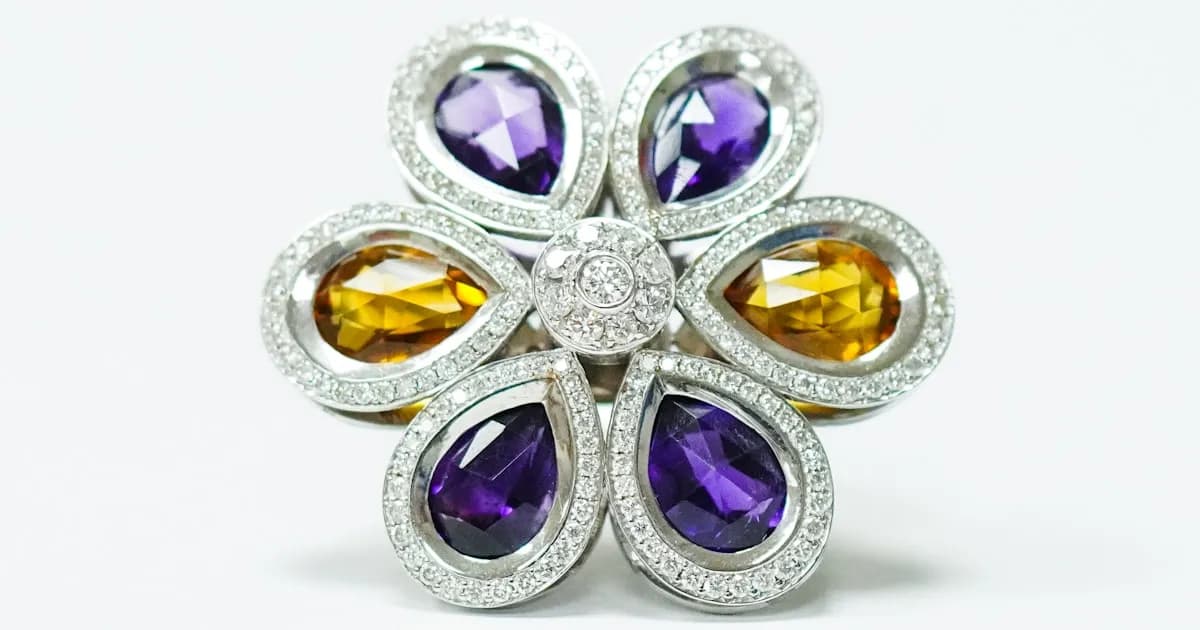
Jewelry value isn't mysterious. Five factors determine what any piece is worth: metal content, gemstones, brand, condition, and rarity. Understand these factors and you can estimate value yourself—or at least know whether an appraiser's number makes sense.
Factor 1: Metal Content
Metal provides baseline value. Even if everything else about a piece is ordinary, the metal has intrinsic worth that fluctuates with commodity markets.
Calculating metal value:
- Weigh the piece in grams
- Identify the metal purity (check stamps)
- Look up current spot price for that metal
- Multiply: weight × spot price × purity percentage
Example: A 10-gram 14K gold ring when gold trades at $60/gram: 10 × 60 × 0.585 = $351 in metal value.
This is scrap or melt value—what a refiner pays to melt the piece. Finished jewelry typically sells for more due to craftsmanship value, but melt value establishes a floor.
Metal hierarchy by typical value:
- Platinum (currently most expensive per ounce)
- Gold (varies by karat and current prices)
- Palladium (used in some white metal jewelry)
- Silver (significantly less valuable per gram)
Factor 2: Gemstones
Stones can be the most valuable component—or nearly worthless. The spread is enormous. A 1-carat diamond might be worth $1,500 or $15,000 depending on quality.
The 4 Cs for diamonds:
- Cut — How well the stone is shaped. Determines sparkle. Excellent cut commands premium.
- Color — Scale from D (colorless) to Z (light yellow). D-F are most valuable.
- Clarity — Internal flaws (inclusions). IF (internally flawless) to I3 (obvious inclusions). VS1-VS2 offer good value.
- Carat — Weight. Prices rise exponentially with size due to rarity.
Colored stones: Quality factors include color intensity, origin, treatments, and size. A fine untreated Burma ruby can exceed diamond prices per carat. A heat-treated Thai ruby of the same size might be worth a fraction.
Without certification: Estimating stone value without GIA or similar grading is imprecise. Assume conservative grades unless you have documentation.
Factor 3: Brand and Maker
Brand adds value beyond materials. A Tiffany ring and an identical no-name ring can have the same gold weight and diamond quality but sell at very different prices.
Brands commanding premium:
- Cartier, Van Cleef & Arpels, Harry Winston — Top-tier luxury. Strong resale.
- Tiffany & Co. — Excellent brand recognition. Reliable resale value.
- David Yurman, John Hardy — Contemporary designers with active secondary markets.
- Bulgari, Chopard — European luxury houses with collector followings.
Vintage costume brands: As discussed in costume jewelry, makers like Miriam Haskell, Eisenberg, and Trifari command prices exceeding their material value due to collector demand.
Anonymous pieces: Without a recognizable maker, jewelry sells primarily on material merit. Craftsmanship still matters, but brand premium disappears.
Factor 4: Condition
Condition affects value more than many sellers expect. Damage reduces prices significantly; pristine condition for age commands premiums.
Condition issues that reduce value:
- Missing or replaced stones
- Bent or misshapen shanks
- Worn prongs risking stone loss
- Deep scratches (surface scratches are normal)
- Previous repairs (especially visible ones)
- Broken or replaced clasps
- Worn-through plating
Repair cost consideration: Factor repair costs into value assessment. A ring needing $150 in repairs to be wearable has lower effective value than its apparent worth.
Vintage exception: Period-appropriate wear on antique pieces is expected and doesn't reduce value as much as damage on modern jewelry. Patina can be desirable.
Factor 5: Rarity and Demand
Rare pieces command premiums—when buyers exist. Rarity without demand creates uniqueness, not value.
Factors creating rarity value:
- Historical significance — Jewelry owned by notable people or from significant events
- Artistic importance — Pieces by famous designers or representing important movements
- Limited production — Small runs or unique commissions
- Unusual materials — Rare gems, unusual combinations
- Provenance documentation — Proven chain of ownership
Collector markets: Active collector communities drive prices for certain categories. Mid-century Scandinavian silver, Art Deco geometric pieces, and specific costume jewelry brands have dedicated buyers willing to pay premiums.
Putting It Together
Value emerges from combining all factors:
Base calculation: Metal value + Stone value = Intrinsic value
Adjustments:
- × Brand multiplier (1.2x to 3x+ for premium brands)
- × Condition factor (0.5x to 1.0x depending on issues)
- × Rarity premium (if applicable)
Reality check: Compare your estimate against actual sales of similar pieces. eBay sold listings, auction results, and dealer pricing provide market validation.
Common Valuation Mistakes
Confusing retail with resale: What a store charged is not what you'll get selling. Expect 30-70% of retail depending on piece and market.
Overvaluing sentimental pieces: Emotional attachment doesn't transfer to buyers. That ring from grandma is priceless to you and worth market price to everyone else.
Assuming diamonds hold value: Diamond resale is notoriously poor. That engagement ring purchased for $5,000 might sell for $1,500-2,500.
Ignoring current market: Metal prices fluctuate. Collector interests change. Value estimates need current market context.
When to Get Professional Valuation
Your self-assessment provides useful baseline information. Professional appraisal adds value when:
- Stone quality significantly affects value and you lack certification
- You need documentation for insurance or legal purposes
- Brand authentication matters for selling price
- The piece appears potentially very valuable
For most jewelry, understanding these five factors lets you make informed decisions without paying for professional opinions on every piece.